Reflection
6 Short Stories About Responsibility for Kids
Read 6 original stories about responsibility for kids, covering mistakes, promises, repair, routines and shared responsibility.
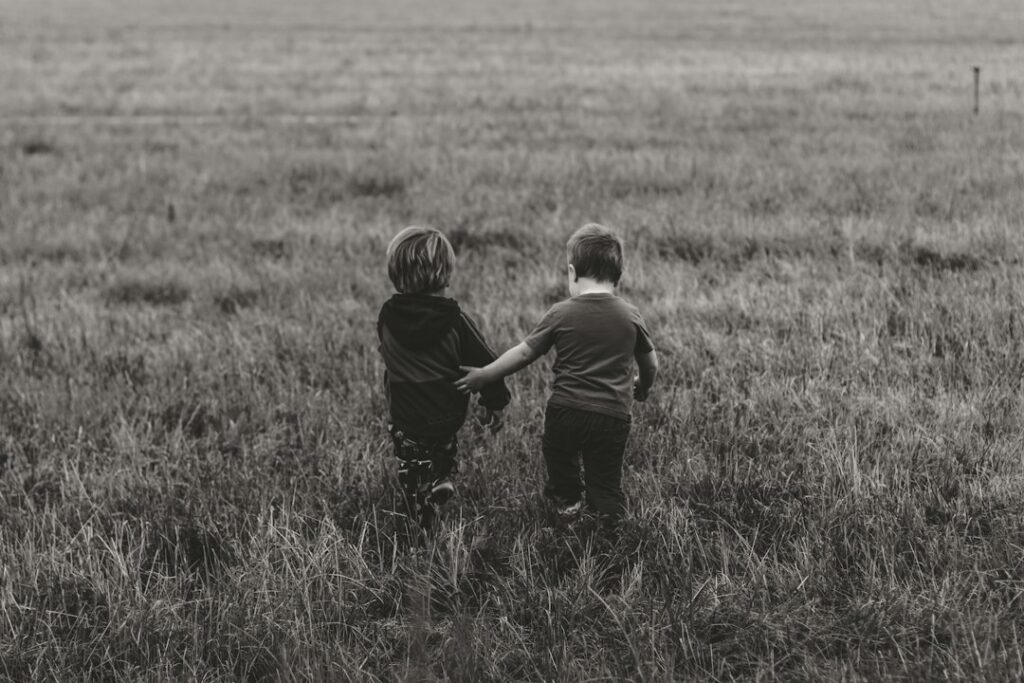
Stories about responsibility help children see that responsibility is more than obeying rules. It means recognising our part in what happened, repairing mistakes and following through when other people depend on us.

6 short stories about responsibility for kids
1. The Forgotten Lunch
Daniel promised to pack his own lunch but spent the morning watching videos and forgot.
At school he wanted to blame his mother.
Instead he admitted he had forgotten and made a plan for the next day.
Moral: Responsibility begins by recognising our own part.
2. The Team Equipment
Maya was responsible for bringing the football cones. She left them at home.
Rather than pretending someone else had the job, she told the coach and offered to organise a different warm-up.
Moral: Responsibility includes helping solve the problem we caused.
3. The Library Book
Leo found the library book he had lost under his bed. It was already overdue.
He considered putting it back on the shelf at school without saying anything.
Instead he returned it to the librarian and explained.
Moral: Responsibility means facing a small consequence before it becomes a bigger problem.
4. The Group Message
Sofia sent a rude message about a classmate to a private chat. Someone forwarded it.
She first complained that the message should have stayed private.
Then she realised the original words were still hers.
She apologised directly.
Moral: We are responsible for what we choose to say, even when others spread it.
5. The Plant
Amir agreed to water the classroom plant every Friday. After two weeks, he forgot.
The leaves drooped.
He set a reminder and began checking the soil before leaving school.
Moral: Responsibility grows through systems, not good intentions alone.
6. The Broken Window
A ball hit a window while a group was playing. Nobody knew exactly who had kicked it last.
The group could have walked away.
Instead they told an adult what had happened and helped clean the safe area around it.
Moral: Shared responsibility still matters when blame is unclear.
What responsibility teaches
- Admit mistakes early.
- Repair what can be repaired.
- Follow through on promises.
- Use reminders and routines when memory is not enough.
- Think about who else depends on your actions.
Questions to discuss
- What was the character responsible for?
- What could they repair?
- What should they do differently next time?
- Was responsibility shared or individual?
Related stories
Responsibility is not the same as blame
Children often hear “be responsible” only after something has gone wrong. That can make responsibility sound like another word for blame. A more useful idea is broader: responsibility means noticing what depends on us, following through, and repairing what we reasonably can when a mistake happens.
This distinction matters in shared situations. A spilled drink may be one child’s accident, but several people can still help clean it. A team project can fail because one person forgot a task, yet the group may also need a better reminder system. Responsibility can be individual, shared, or both.
Three steps for discussing a mistake
- Name the part you control. What action or promise belonged to the character?
- Separate intention from impact. Did they mean to cause the problem? What happened anyway?
- Choose a repair. What can be fixed now, and what system could prevent the same problem next time?
Move the lesson into everyday life
After reading, ask children to choose a low-stakes responsibility they already have—packing a school bag, feeding a pet, returning a borrowed object or remembering sports equipment. Then identify one practical support such as a checklist, alarm or fixed place for the item. This shows that responsibility is not only willpower; good systems help people keep commitments.