Reflection
Anansi Stories: 6 Tales and Their Lessons
Explore six documented Anansi stories and the lessons they reveal about cleverness, wisdom, pride, greed and consequences.
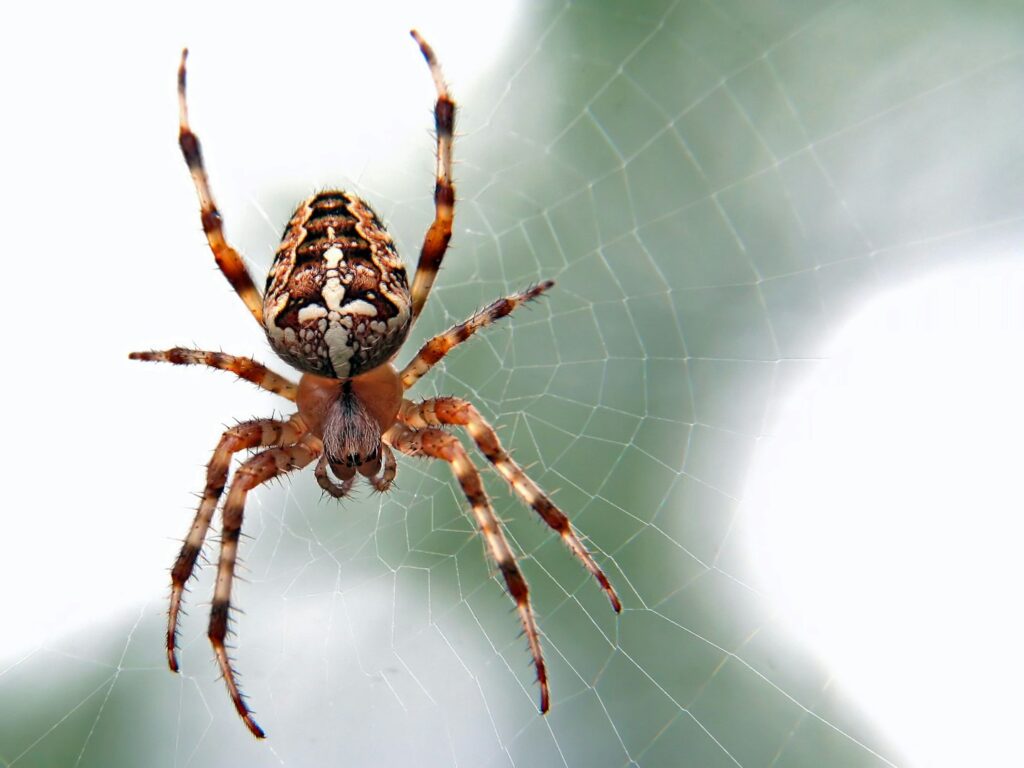
Anansi stories are among the best-known trickster tales associated with Ghana and West African storytelling. The spider can be clever, greedy, inventive, boastful or foolish, and that unpredictability is what makes the stories useful for thinking about wisdom, pride and consequences.
This guide draws on documented Anansi material preserved in historical collections such as West African Folk-Tales (1917) and later Ghanaian/Ashanti holdings in the Smithsonian. It summarises themes rather than reproducing the original texts.

6 Anansi stories and what they explore
1. How We Got the Name “Spider Tales”
This story explains the connection between Anansi and the stories themselves. The spider’s wit and persistence help establish his place at the centre of a storytelling tradition.
Theme: storytelling, cleverness and reputation.
2. How Wisdom Became the Property of the Human Race
Anansi tries to control wisdom instead of allowing others to share it. The attempt reveals the limits of treating knowledge as private property.
Theme: pride, knowledge and shared wisdom.
3. Anansi and Nothing
The story uses naming, misunderstanding and greed to create a comic reversal. Anansi’s attempt to gain an advantage does not produce the result he expects.
Theme: greed, language and unintended consequences.
4. Thunder and Anansi
Anansi’s confidence meets a force much greater than himself. The tale turns cleverness into a question: what happens when intelligence becomes overconfidence?
Theme: arrogance, power and limits.
5. Anansi as the Oldest of Animals
Different Anansi traditions include stories in which the spider must prove his status through argument, wit or demonstration rather than physical strength.
Theme: intelligence, status and persuasion.
6. Two Feasts for Anansi
Stories in which Anansi tries to benefit from more than one opportunity often end by exposing greed or overconfidence. The trickster’s appetite becomes part of the lesson.
Theme: greed, divided attention and consequence.
Why Anansi works so well as a trickster
A trickster does not have to be morally perfect. That is exactly the point. Anansi can succeed because he is clever and fail because he is too clever for his own good.
This makes the character useful for stories about:
- cleverness versus wisdom
- pride and reputation
- greed and appetite
- power and weakness
- language and persuasion
- unexpected consequences
Anansi, Ananse and Ashanti storytelling
Spellings vary across publications and retellings. Smithsonian collections include works using both Anansi and Ananse and identify numerous materials connected with Ghana and Ashanti storytelling.
How to read Anansi stories responsibly
- Check the source and place when known.
- Distinguish a historical transcription from a modern retelling.
- Remember that oral traditions can have multiple versions.
- Avoid presenting one version as the only authentic one.
Sources and further reading
- West African Folk-Tales — Project Gutenberg
- Smithsonian collections on Ghanaian and Ashanti storytelling
Explore related traditions
Historical collection, oral tradition and modern retelling
It is useful to distinguish three things that are often grouped together under “Anansi stories.” A historical collection is a written record produced at a particular time by particular collectors. An oral tradition is broader and can include many tellers, variants and performances. A modern retelling is a new literary version shaped for a contemporary audience.
Those categories can overlap, but they are not interchangeable. A printed text from 1917 should not be treated as the final or uniquely authentic form of a story that also lives through performance and later retellings.
Questions for reading a trickster tale closely
- What does Anansi want, and why?
- Does cleverness become wisdom or merely self-interest?
- Who has more power at the beginning and at the end?
- What part of the result comes from skill, luck or greed?
- Would another version of the tale need to end the same way?
Reading with these questions keeps the focus on how the story works rather than reducing the character to a single fixed “moral.”